Jump to heading

Publication

Casework Insights and Trends: 2024-25

Jump to heading

This webpage presents findings from 1 September 2024 to 31 August 2025. Comparisons with 2023-24 use the same date range.

Introduction 

The Fundraising Regulator works to protect the public from poor fundraising practices. We do this by helping organisations follow the standards set out in the Code of Fundraising Practice (‘the code’) and by investigating complaints that cannot be resolved by organisations themselves. We also act proactively where fundraising has caused, or has the potential to cause, harm. 

This report summarises key insights from our casework during 2024–25. All cases assessed during this period were considered under the 2019 edition of the code, which has since been updated

Number of cases 

A case refers to any issue recorded with us, including complaints or self-reports. 
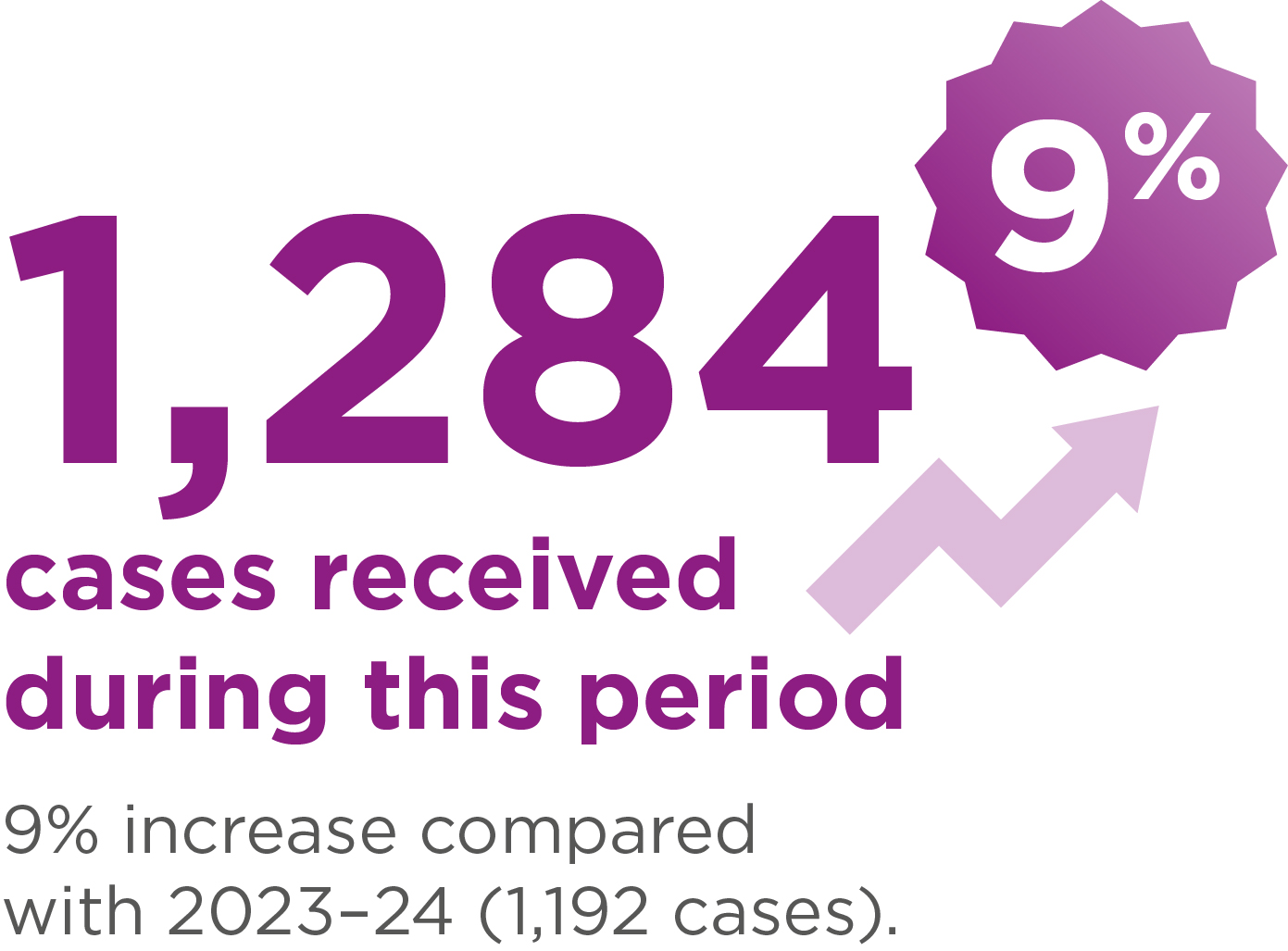

 
During the reporting period, we received 1,284 cases, a 9% increase on the previous year. We closed 1,294 cases in total, including cases opened in earlier reporting periods. 

Of the cases closed: 

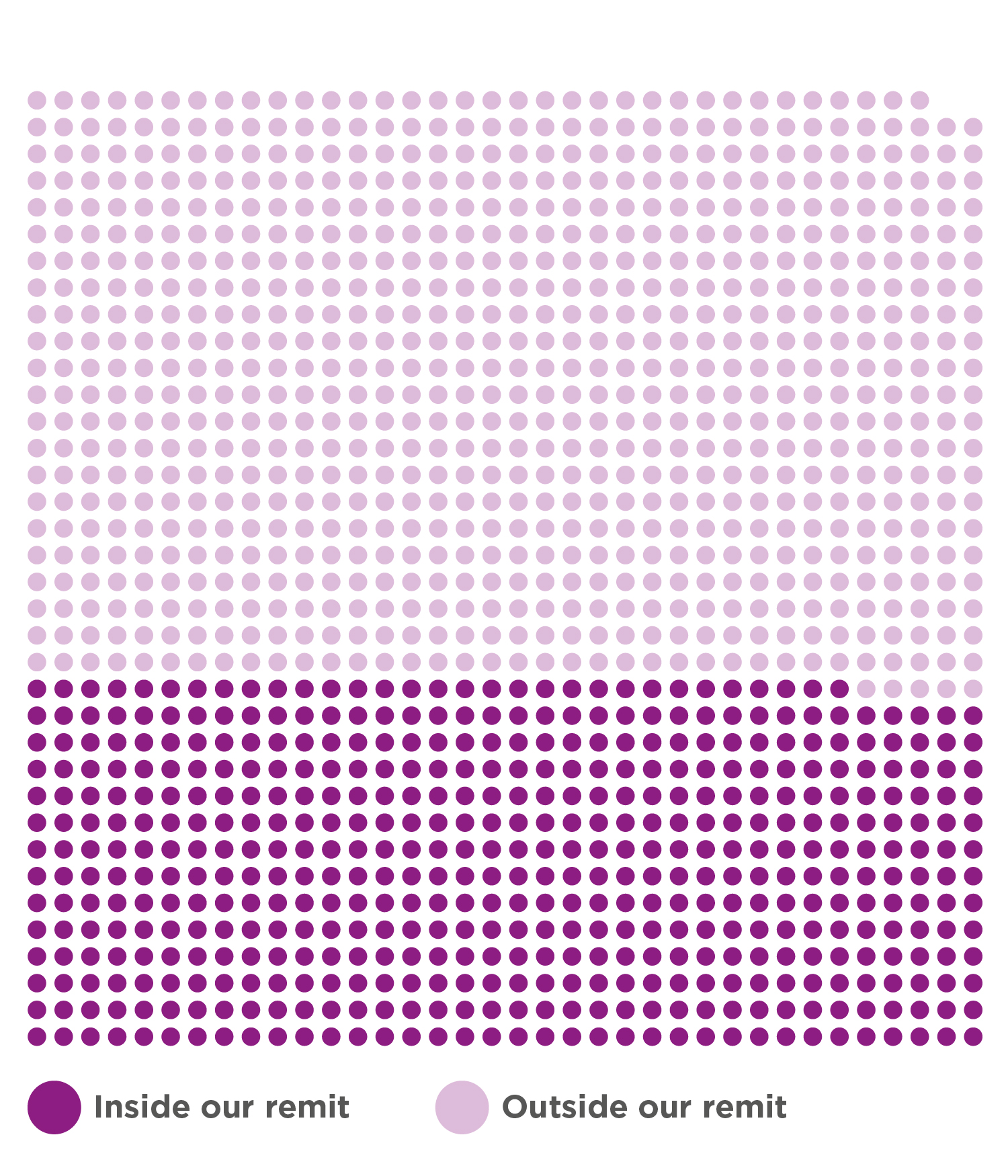
  • 499 (39%) related to charitable fundraising and fell within our regulatory remit.
  • 795 (61%) were outside our remit. These primarily concerned personal cause fundraising appeals, suspected fraud, or wider governance issues that were more appropriately handled by other regulators or organisations. 
Self-reporting 

Self-reporting is when a fundraising organisation proactively tells us that it has identified, or suspects it may have identified, a breach (or potential breach) of the code in its charitable fundraising activities. 

During the reporting period, we received 19 self-reports, compared with 31 in 2023–24. None of these self-reports resulted in a formal investigation:  

  • In most cases, the organisations involved had already taken the reasonable steps we would expect to address the issues reported.
  • In a small number of cases, we provided additional advice to help improve compliance with the code and reduce the risk of similar incidents occurring again.
  • In two cases, we opened compliance casework to seek further information and work with the organisations to ensure compliance with the code. 

Seven of the self-reports related to face-to-face fundraising and covered four separate incidents. In three of these incidents, both the charity and its contracted fundraising agency submitted self-reports. 

Types of complaints 

A complaint is a distinct type of case, typically raised by the public or through external intelligence. Only in-remit complaints are counted within our analysis below. 

Overview 

The table below shows the most common complaint themes and how they compare with the previous year.
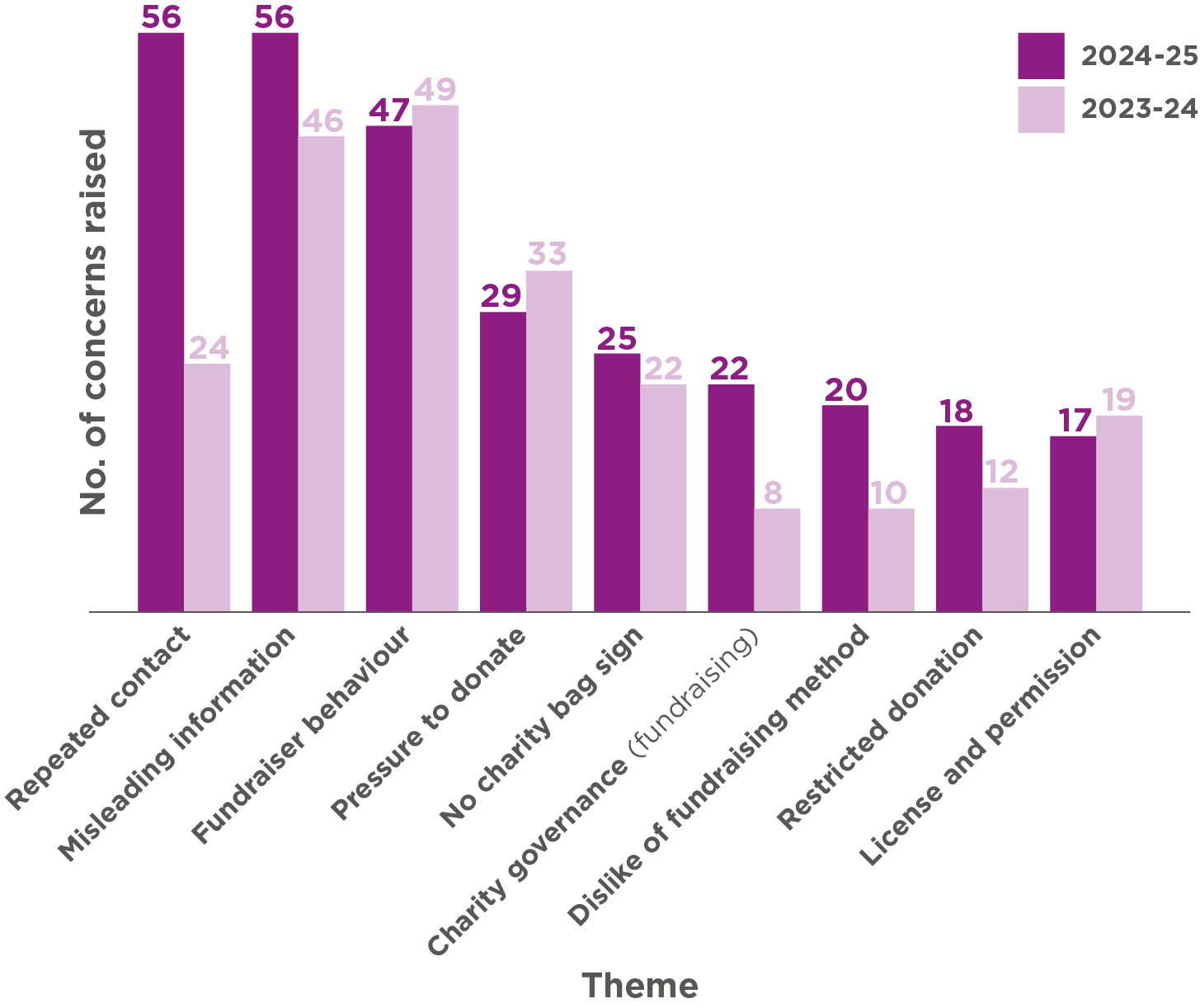
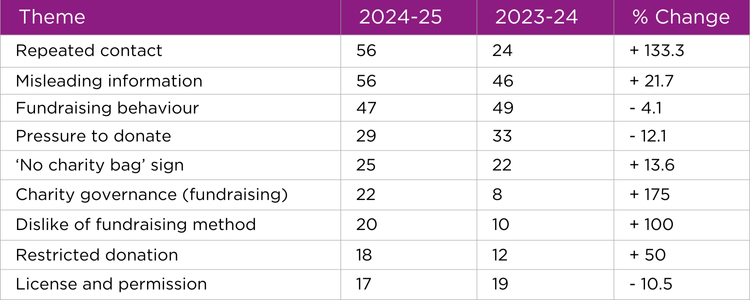
This year’s data shows some shifts in the types of concerns raised. The largest percentage increases were in charity governance (fundraising) and repeated contact, both of which rose from comparatively low levels last year. There were also smaller increases in issues linked to misleading information, ‘no charity bag’ sign, dislike of fundraising methods, and restricted donations.

Most repeated contact complaints related to charity bags: we received five complaints which accounted for 29 cases, as complainants raised concerns about charity bags from multiple charities (and these must be recorded as a separate case for each charity). The remaining repeated contact cases related to addressed mail, with 17 cases recorded under repeated contact for this issue. 

Complaints relating to fundraiser behaviour, pressure to donate, licence and permission decreased. 

Fundraising methods 

The most complained-about fundraising methods during the reporting period were charity bags or clothing banks and collections, followed by face-to-face, addressed mail and digital fundraising.
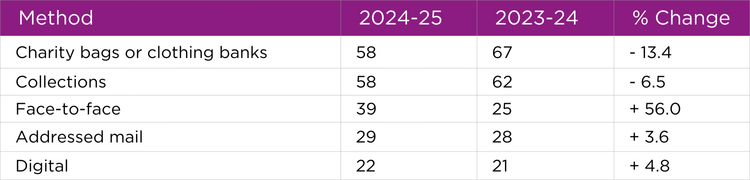
Complaints about charity bags or clothing banks largely related to repeat charity bag deliveries. In several instances, a single complainant reported bags from multiple charities. We opened a separate case for each charity so it could review and oversee the actions of its commercial delivery partner. This can increase the number of cases recorded even where the number of individual complainants is smaller. 

Many complainants displayed “no junk mail” or “no unaddressed mail” signs, and in some cases “no charity bags”. Charity bags are not treated as junk or unaddressed mail, but most charities told us they try to avoid delivering bags where signage suggests they would be unwelcome. This approach is reflected in the updated code, which now makes clear that charity bags must not be delivered where residents have indicated they do not wish to receive them (see rule 7.5.6).  

Complaints about collections were largely linked to one-off street donations, including issues relating to a small number of Community Interest Companies (CICs).

Face-to-face complaints, which increased by 56% compared with 2023–24, were mainly associated with door-to-door fundraising, including the sign-up of donors to direct debits. Digital complaints were primarily connected to fundraising platforms. 

Insights from investigations 

If we have information that indicates a serious breach of the code, and/or where an organisation will not engage or co-operate with us about compliance with the code, we may open an investigation.

This section sets out the key themes and emerging issues identified through our investigations over the past year. It highlights the trends we are seeing across cases and provides learning to help organisations strengthen their fundraising practices and meet the standards in the code.

People in vulnerable circumstances 

We undertook several investigations into how charities and fundraising agencies engage with people in vulnerable circumstances. These identified multiple breaches of the code, particularly where organisations failed to recognise or appropriately respond to a donor’s vulnerability. 

Example and learnings

Example and learnings

A complainant told us that a vulnerable relative had changed their will to benefit a charity at a time when they were under significant stress and caring for a dying partner. They were concerned that the charity had been directly involved in drafting the new will and that it had not recognised or appropriately supported the donor’s vulnerable circumstances. 

Our investigation confirmed that the charity helped draft the will and that it did not have policies or procedures to identify or support people who may be in vulnerable circumstances. We also found a conflict of interest, as the will was prepared by a staff member and witnessed by a trustee.

We identified breaches of the code relating to involvement in will-writing, managing conflicts of interest, and treating people fairly. The charity has since introduced relevant policies and strengthened its governance. 

Fundraisers should consider the needs of donors who may be in vulnerable circumstances. Clear policies, training and procedures can help staff and volunteers recognise when someone may be struggling to understand information about your fundraising or make a decision about whether to donate. 

Fundraisers should be alert to signs that a donor may lack mental capacity. In these situations, their donation must not be accepted. Other donors may need fundraising information to be communicated differently to assist them in making an informed decision about whether to donate. You must not make assumptions about whether someone is in a vulnerable circumstance based on their personal characteristics but should notice signs of someone having difficulty and respond appropriately. For example, someone may noticeably be having difficulty remembering, understanding, communicating or weighing up information. 

When handling complaints involving a donor in vulnerable circumstances, organisations do not need to ask for proof of that vulnerability. Instead, they should consider what happened at the time of the fundraising interaction, what the fundraiser knew or could reasonably have known, and whether the donor’s needs were considered. If new information is provided later, organisations should reflect on whether they would have accepted the donation had they known it at the time. 

Fundraising from a defined group of individuals 

We have seen a growing number of situations where organisations ask a defined group of individuals, such as members of a faith-based community or alumni networks, to donate. The funds raised were used by the organisations for charitable purposes. 

In some instances, organisations did not recognise that these activities are charitable fundraising and that they must follow the code. This is an area where we are seeing increased misunderstanding and inconsistent practice.

Example and learnings

Example and learnings

We investigated concerns about a fundraising appeal run within a charity. The organisation had asked only its own members to donate to a time-limited project to buy a new property.

Although the organisation achieved its overall goal, our findings showed it did not fully recognise that asking its members for donations towards its charitable activities still counts as regulated public charitable fundraising. It did not explain what would happen if the appeal did not meet its target or timescale, and it did not have a dedicated or accessible process for handling fundraising complaints. The organisation also initially treated the complaint as an internal matter rather than a fundraising concern. 

We identified multiple breaches of the code. We also recommended that the charity review its fundraising and complaints policies and ensure staff understand that members are entitled to the same fundraising standards and protections as any other donors.

When a fundraising appeal targets a specific, defined group (for example, members of a faith community), and the funds will be used for charitable purposes, it is still public charitable fundraising and the organisation must follow the code – even if the group is made up of internal members. If the appeal is online, people outside that group may also be able to donate.

The code’s glossary also defines donation, donor, and charitable institution.

Fundraising by some Community Interest Companies (CICs) 

CICs are businesses established to benefit the community but are not registered charities and are not subject to the same robust regulations that apply to charities.

Last year we reported a significant rise in complaints about the fundraising practices of a small number of CICs. This trend has continued into 2024–25.

Eighteen per cent of all complaints we received related to CIC fundraising, up from 12% in 2023–24. Many of the concerns involved CICs previously identified, as well as new CICs conducting similar activities. 

Example and learnings

Example and learnings

We published our second investigation into a CIC after receiving a significant number of new complaints following our original findings in 2022. Although the organisation said it had made some training improvements, we continued to receive reports of pressurised and misleading street fundraising, obstruction of public spaces, and activity taking place without the required licences. Several complainants also said they were led to believe the organisation was a charity. 

A lead complaint described a member of the public feeling harassed during an interaction with the CIC’s representatives and receiving no response after attempting to complain directly.

The CIC did not respond to any of our requests for information. Based on the evidence from complainants, we concluded that it had breached the code in areas including legal and open fundraising, misleading donors, placing undue pressure on the public, failing to handle complaints, and not learning from previous concerns.

The Fundraising Regulator has continued to bring together representatives from licensing teams, law enforcement, central government and other regulators to help ensure that charitable fundraising carried out by all CICs meets legal and regulatory expectations. The group is now well established and will continue working to promote good practice.

Organisations engaging in street or face-to-face fundraising should ensure their practices protect the public and maintain trust. This includes giving people space to walk freely, avoiding any behaviour that could feel persistent, intrusive or pressurising, and ending interactions promptly if someone does not wish to engage.

Fundraisers should communicate clearly about who they represent and the purpose of the activity, taking care not to give the impression of being a charity where this is not the case. Organisations should also check in advance whether licences or permissions are required for the locations and times they plan to operate and comply with any local conditions.  

Finally, when concerns are raised, responding promptly and reviewing training helps prevent repeated issues and demonstrates a commitment to respectful and responsible fundraising. 

Transparency data 

Any complainant and/or the organisations involved in the complaint may request an independent external review of our investigation decisions, or our decisions not to investigate.

External review of our decisions 

In 2024–25, we received three requests for an external review of our decisions: two relating to investigation decisions and one concerning a decision not to investigate. 

  • For one investigation decision, the reviewer found grounds to review the case. Although they agreed that no changes were needed to our findings – and the charity accepted this – they recommended improvements to the wording of the decision and the published summary.
  • For the non-investigation decision, the reviewer found no grounds to reopen the case.
  • For the third request, which related to another investigation decision, the reviewer found that the criteria for external review were not met. 

 “In the first case, I advised that aspects of the report’s wording unintentionally cast doubt on the charity’s actions, despite the finding of no breach; the Regulator accepted my recommendation to revise the wording. In the second, I found no issue with the decision to close the investigation after the charity dissolved, noting the Regulator’s extensive checks with the Charity Commission and its commitment to re-open the case if new evidence emerges.”

About casework

About casework

We have introduced a new stage in our casework process and updated how we respond to concerns about compliance with the code. These concerns may come from complaints or other intelligence. 

Where information received by us suggests that a breach of the code may have occurred, we may open a compliance case or a full investigation, even if no formal complaint has been made or if a complaint has been withdrawn. In some situations, a full investigation may not be required but improvements are still needed. In these cases, we work with the organisation to agree specific actions. 

We open a compliance case when: 

  • we need further information to understand the concerns, or
  • we believe improvement can be achieved without a formal investigation. 

Compliance cases may involve a single issue that can be resolved quickly or a concern that is not systemic but may take longer to address. We work with the organisation to support positive change. 

We do not actively involve complainants once a compliance case or investigation has been opened. However, we continue to work towards resolving the complaint where possible and may request further information from a complainant if needed. Complainants who wish to be updated will be informed once the case concludes.

Through our casework, we aim to work constructively with charities, offering guidance where appropriate to support improvements in fundraising practice and compliance with the code. 

“Our experience working through the compliance case has been really positive. We really appreciated the collaborative approach, which made us feel supported and encouraged open, honest dialogue. This constructive tone helped build trust and made the process feel focused on learning and improvement.” Large international development charity 

Last updated: